
Strait of Hormuz tensions deepen pressure on marine and specialty markets as reinsurers brace for prolonged volatility
 Prefer us on Google


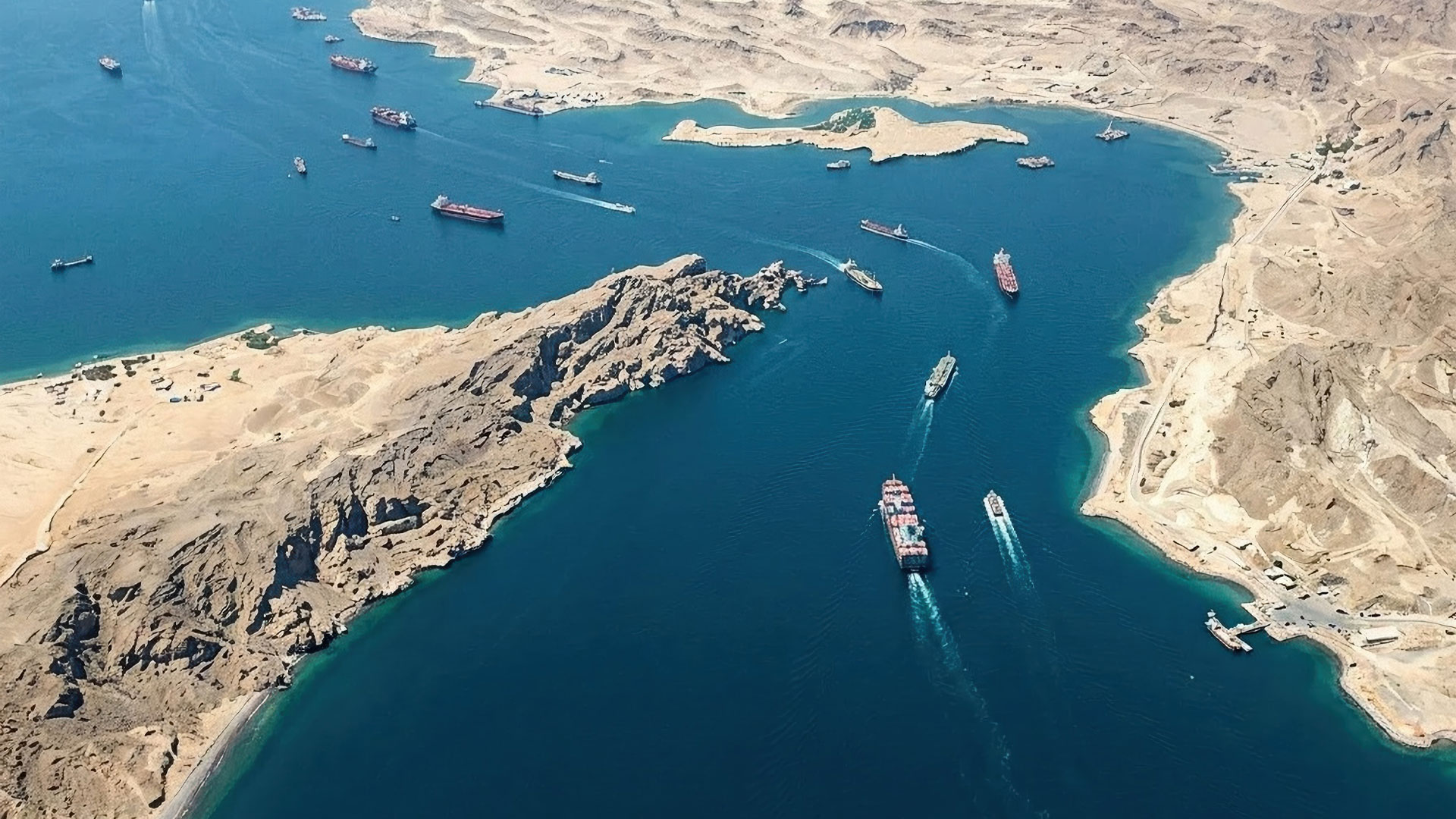
Howden Re’s latest analysis of the Strait of Hormuz crisis warns that while the global reinsurance market remains resilient, mounting losses across marine, energy and political violence lines are beginning to reshape underwriting conditions, pricing dynamics and risk appetite.
The new report, Strait of Hormuz update: Market implications of an evolving risk landscape, highlights how persistent geopolitical instability in the Gulf is driving severe stress across marine hull war, cargo war, offshore energy and political violence markets, even as broader reinsurance capacity remains robust.
Since the escalation began, vessel traffic through the Strait has collapsed, Brent oil prices have surged above $100 per barrel, and insurers have expanded high-risk zones while significantly increasing war-risk premiums. The analysis from Howden Re Business Intelligence shows that global oil trade flows have dropped by more than 60% post-conflict, while rerouting and security measures continue to disrupt supply chains and inflate operating costs.
The report identifies “extreme” stress levels for marine hull war, marine cargo war and political violence business, driven by vessel attacks, energy facility and property attacks, premium spikes and growing uncertainty around claims development.
Richard Miller, Managing Director, Marine, Energy & Political Violence, Howden Re, said:
“The Strait of Hormuz remains one of the most strategically significant maritime chokepoints in the world. Its positioning means disruption can quickly create rerouting pressures, timing lags and compressed supply-chain resilience. The market reaction reflects a reassessment of geopolitical accumulation risk across marine, energy and political violence portfolios.”
He added: “War-risk pricing has reacted sharply, but the more important story is around sustained volatility, uncertainty of claims development and the pressure this places on specialty insurers already managing large recent losses which includes the Baltimore Bridge loss.”
The report highlights how these recent losses have reinforced market concerns around aggregation exposure, multi-party liability and prolonged claims development, particularly across marine and infrastructure-related risks.
Andy Foot, Managing Director, Marine, Energy & Political Violence, Howden Re, said:
“The market has remained functional throughout the crisis, which is important. Capacity is still available, but underwriting scrutiny has intensified materially, particularly around transit exposures, WTPV aggregates and contingent accumulation scenarios.”
Despite mounting losses, Howden Re’s analysis suggests the wider reinsurance market remains capable of absorbing the shock. Capacity across global treaty markets remains abundant, with pricing at the recent 1 April renewals broadly aligned with 1 January outcomes, although reinsurers are closely monitoring inflationary pressures and the potential for further deterioration in marine and specialty claims.
According to Howden Re, the disruption has already begun feeding through into inflationary components across major commodities, energy supply chains and construction costs.Additionally, OECD growth forecasts have been downgraded as economies adjust to higher energy prices and concentrated supply risks. This is impacting across various industries to differing types of risk across technologythrough to consumer staples.
Michelle To, Managing Director, Business Intelligence, Howden Re, said:
“The Strait of Hormuz crisis demonstrates how geopolitical conflict can rapidly evolve into a multi-line, macroeconomic insurance event. The impact is not isolated only to specialty classes and the surrounding Middle East markets — there are much wider implications still yet to develop across global supply chains that will affect other lines of business.”
She added:
“Importantly, this event is also testing how the industry models interconnected geopolitical and economic risk. Clients are increasingly focused on resilience, scenario planning and understanding where concentrations exist across their global operations.”
Howden Re’s report concludes that while the immediate shock may remain manageable for the global reinsurance sector, prolonged disruption or further escalation across critical trade chokepoints could materially alter market conditions later in the year.